
The Clinical Impact of Loneliness
Loneliness is not just emotional—it directly affects health outcomes, treatment success, and mortality risk.
Cardiovascular & Metabolic Health
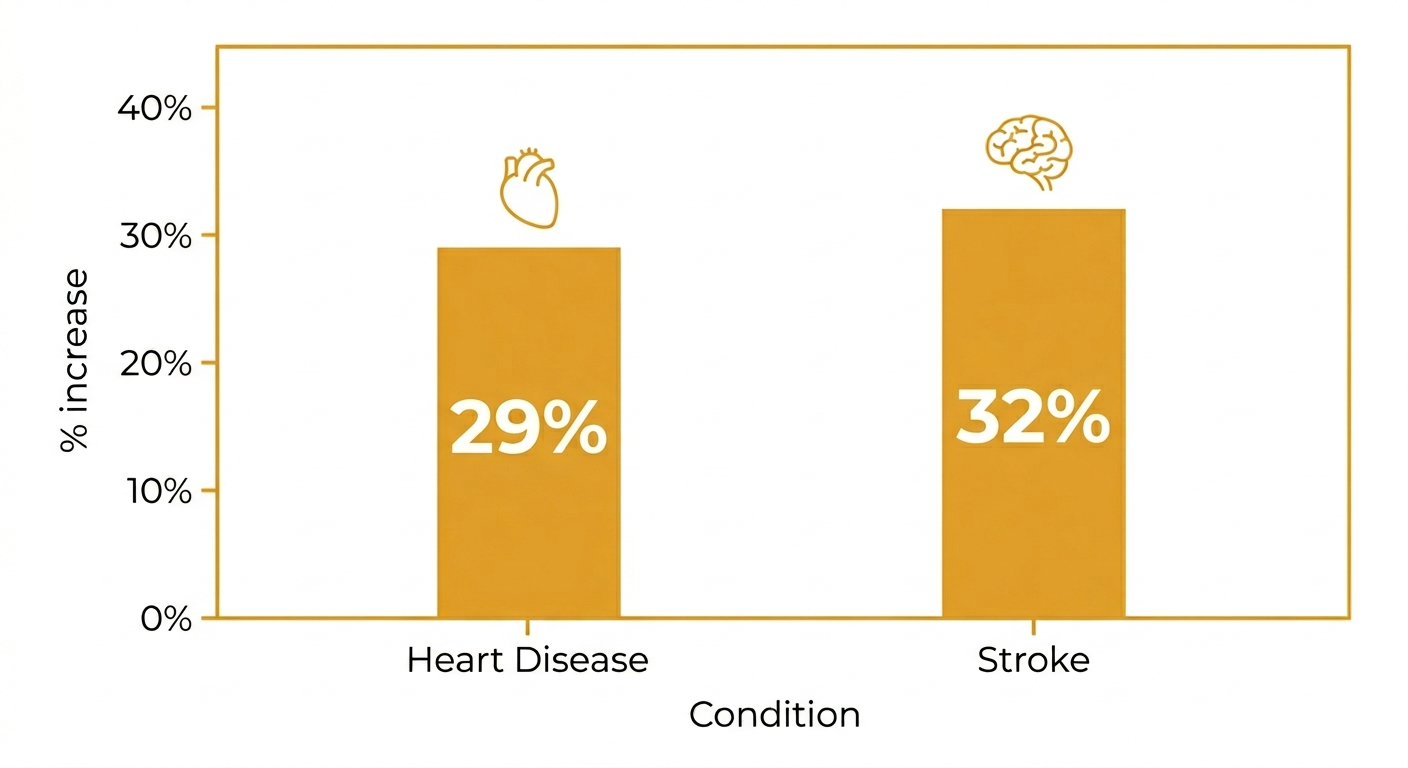
29% ↑ heart disease& 32% ↑ stroke among those who are socially isolated.
Medication Non-Adherence
Cognitive Decline & Dementia
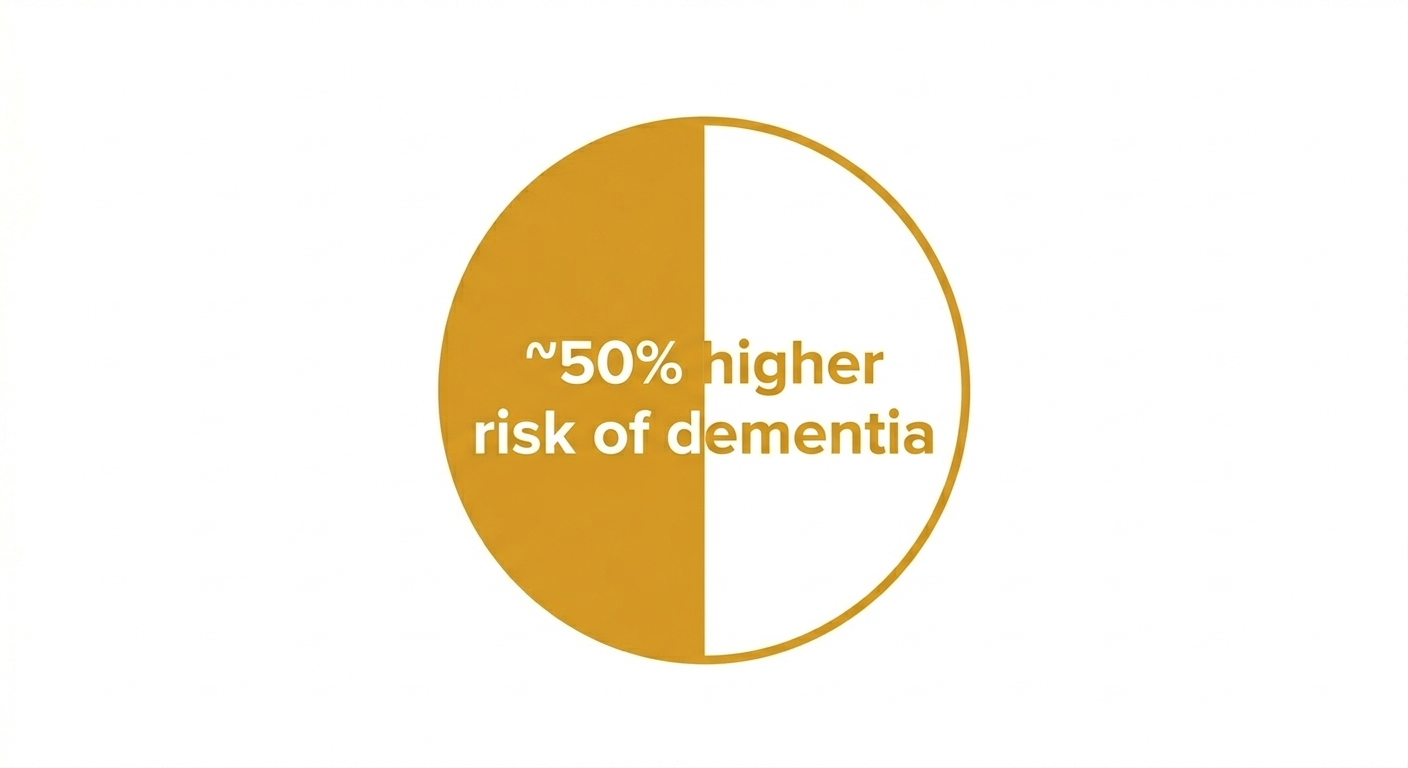
Social isolation is associated with an approximately 50% increased risk of dementia.
Cognitive Performance:
Lonely individuals often show a faster decline in executive function and memory over a 10-year period compared to those with strong social ties.
Immune System and Mortality
Unintentional Neglect:
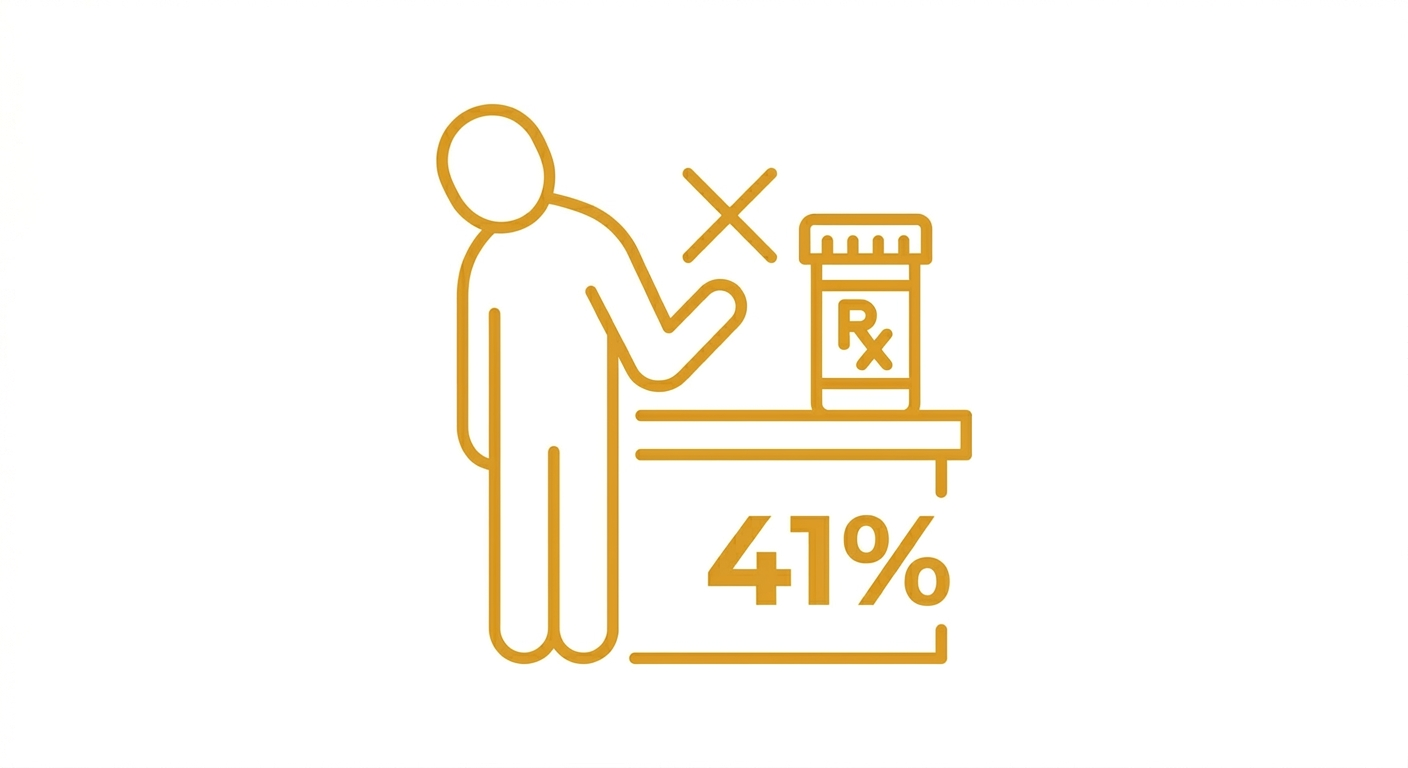
Without a “trusted confidante” or a supportive social network to provide reminders or encouragement, patients are more likely to miss doses or struggle with complex instructions.
Polypharmacy Risk:
Lonely older adults may actually take more medications than necessary potentially as a way to self-medicate the emotional pain of isolation.
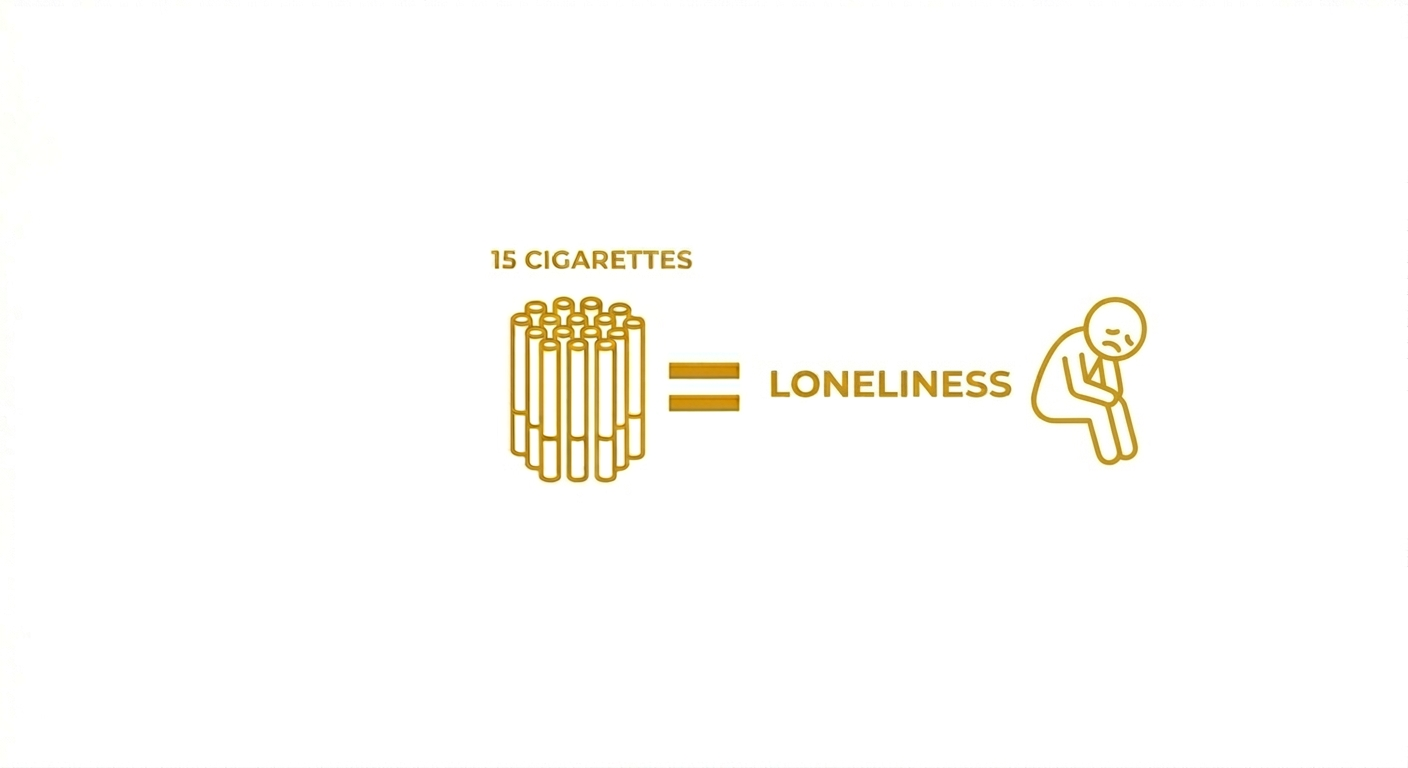
An increased risk of death associated with loneliness is similar to that of smoking 15 cigarettes a day.
Immune Suppression:
Chronic loneliness can alter the gene expression of immune cells, making the body less effective at fighting viral infections and more prone to inflammation.
Erosion of Motivation
Daily Interference:
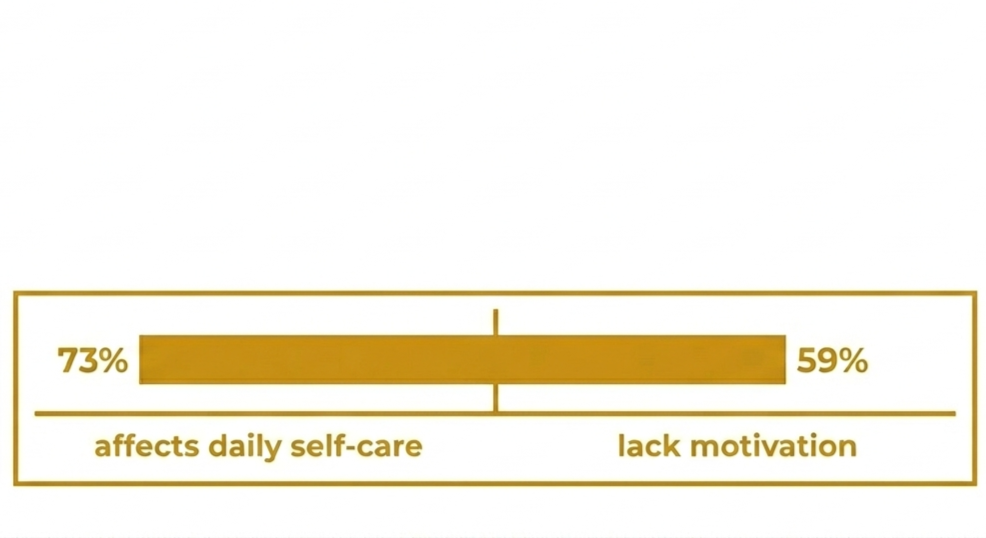
73% of patients indicated that loneliness interferes with their daily self-care activities.
Motivation Drain:
59% of lonely patients reported a lack of motivation to seek care for their conditions.
The Specialty Medication Gap:
Patients on complex “specialty” medications (which often require more rigorous schedules) report even higher rates of isolation-related disruption—nearly 70% in some studies.