
The Healthcare Gap
Impact on Healthcare Systems
Lonely individuals visit more frequently—not always for medical needs, but for social interaction and support.
Increased Utilization:
Lonely individuals are also more likely to use emergency departments and require longer hospital stays because they lack the social infrastructure to recover safely at home.
Readmission Rates:
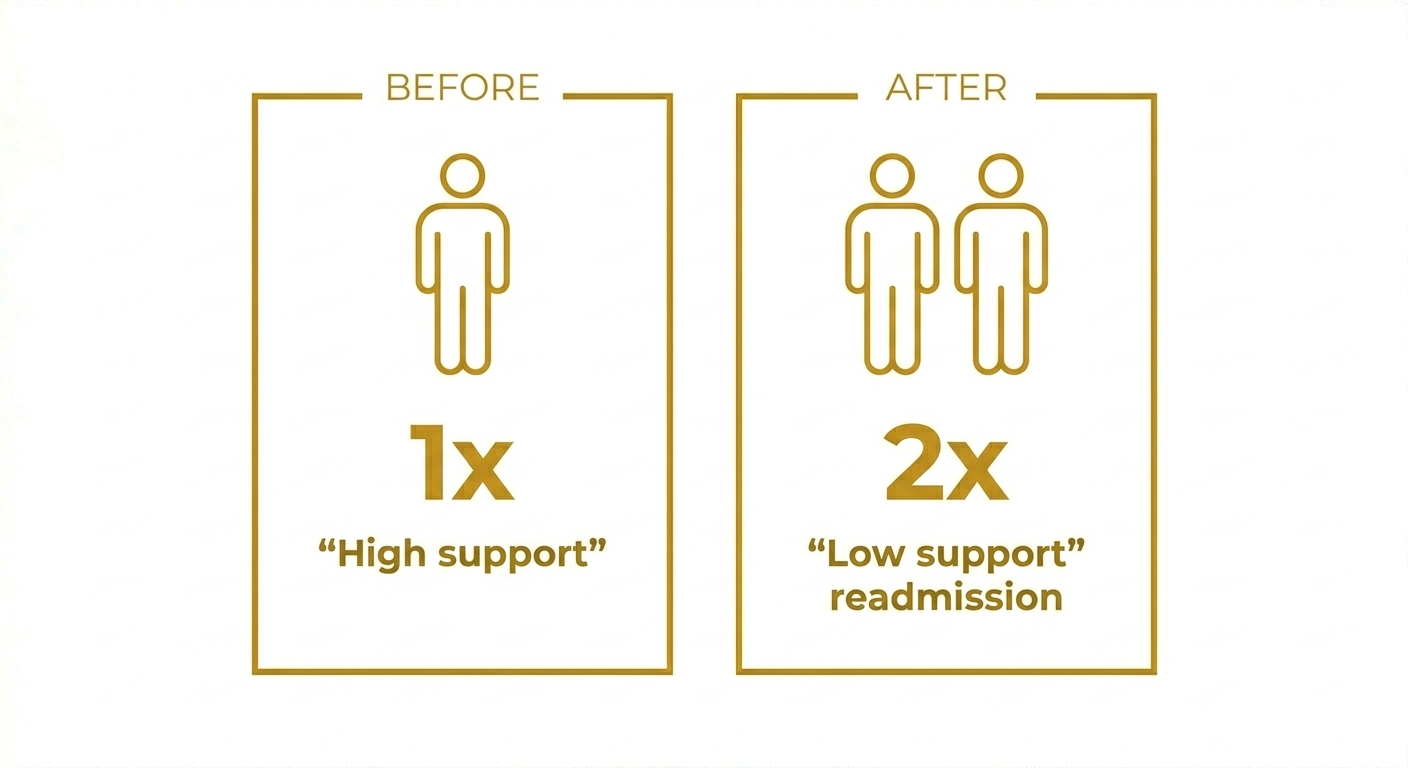
Patients with low social integration are nearly twice as likely to be readmitted to the hospital after a major event, like a heart attack, compared to those with high social support.
Provider Constraint
Patients often perceive their relationship with providers as purely transactional.
Transactional Communication:
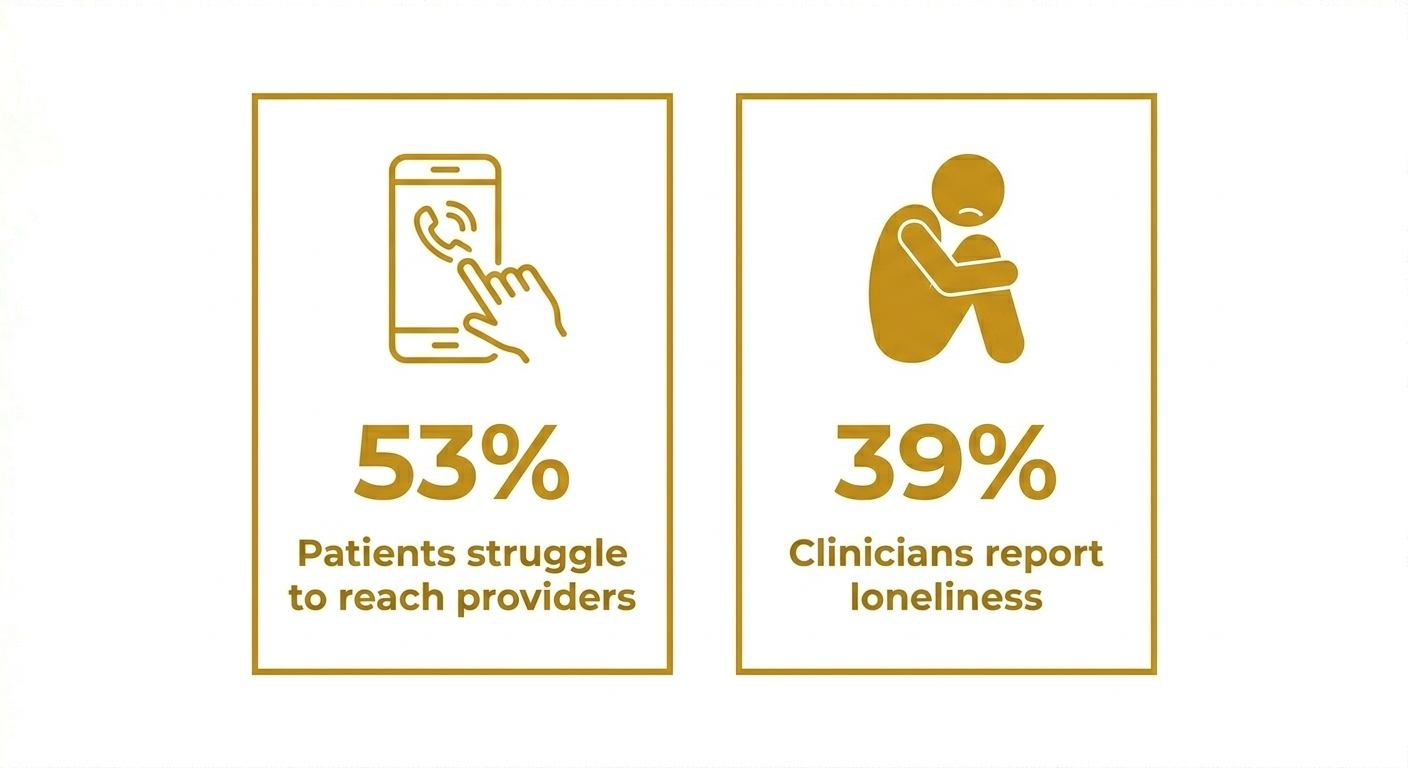
One report noted that 53% of patients found it difficult to reach their providers because they were “too busy” or took too long to return calls.
Staff Vulnerability:
39% of physicians and nurses in some hospital settings identified loneliness as a major stressor, which can lead to burnout and a reduced capacity for empathetic, time-intensive patient interaction.
The Cost of Loneliness to Healthcare
Annual Societal Cost:
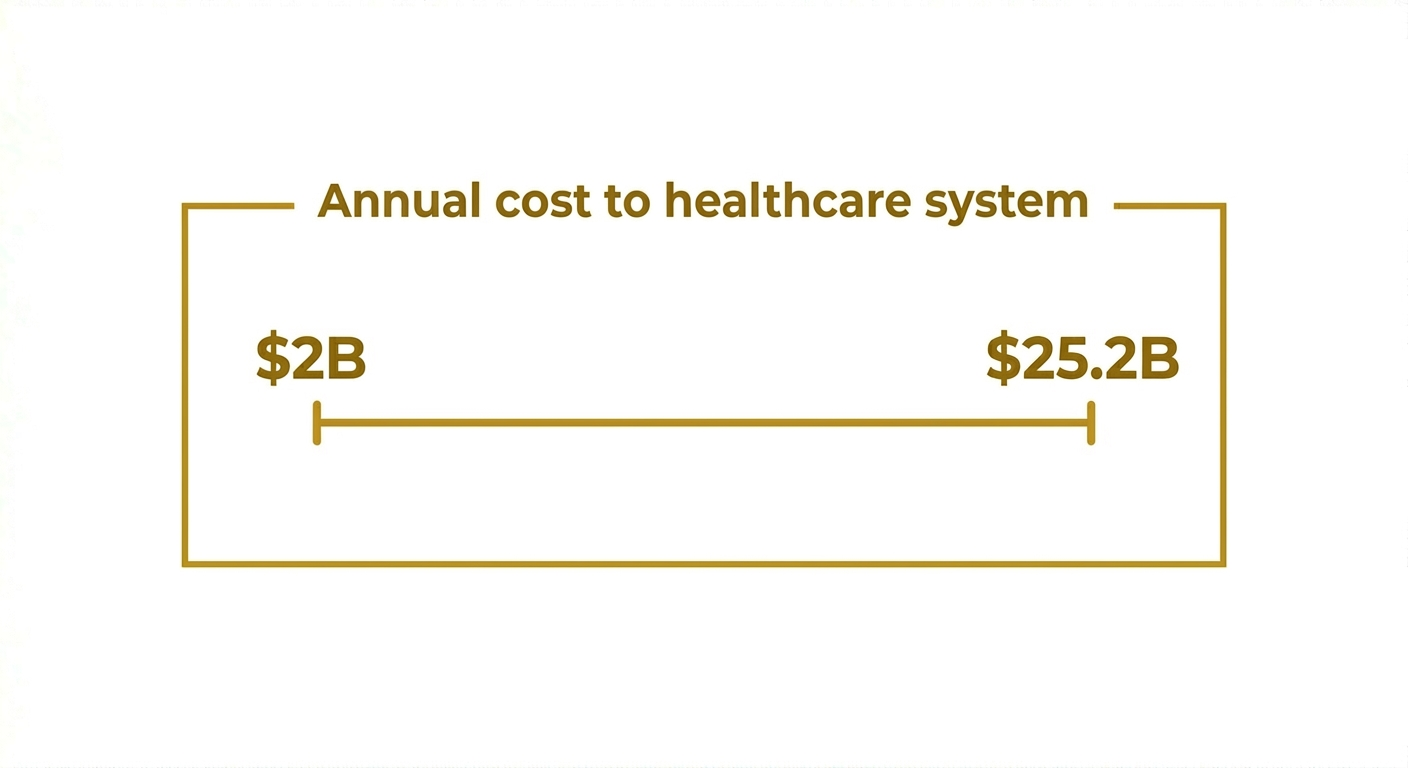
Estimates for the total impact on healthcare and lost productivity range from $2 billion to $25.2 billion per year in the U.S.
Emergency Department:
15% increase in ED visits. Addressing social needs can reduce ED utilization by as much as 41%.
Inpatient Care:
When hospitalized, they often have longer stays and higher readmission rates. Up to a 13% to 37% increase in inpatient utilization.